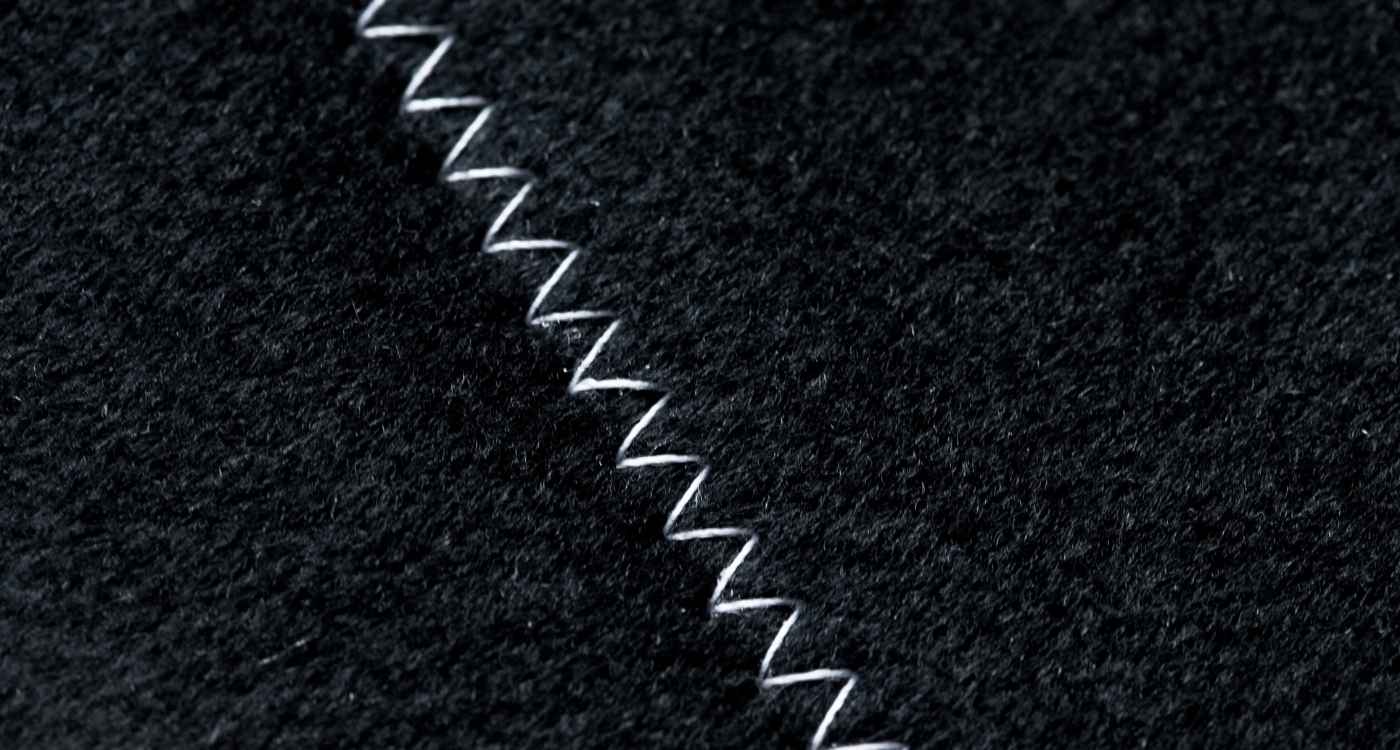
After a circumcision, the wound needs to be able to heal properly. With the classic circumcision method, dissolvable stitches and/or tissue glue are usually used for this. These hold the wound edges together while the skin recovers. Even so, stitches after a circumcision are not always needed. With the clamp method using the Genco Clamp, the wound edges are kept closed in a different way. What is the difference and what can you expect during recovery?
Why are stitches used after a circumcision?
With a classic circumcision method, the foreskin is removed surgically. The remaining skin and the wound edge then need to be closed neatly. Stitches can be used for this.
The stitches hold the skin in place while the body forms new tissue and the wound heals. In many cases the classic method makes use of dissolvable stitches and/or tissue glue.
Which stitches are used for a circumcision?
Dissolvable stitches
For stitches in a circumcision, dissolvable suture material is generally used. The advantage of this is that the stitches do not have to be removed by a doctor later. As the wound heals, the material gradually loses its strength and eventually comes away by itself.
Stitches and tissue glue
A wound does not always have to be closed entirely with stitches. With the classic method, medical tissue glue can also be used. In this way the remaining skin is closed all the way round with tissue glue, and an additional stitch can be placed if necessary.
How long do stitches stay in after a circumcision?
When do the stitches dissolve?
How quickly stitches disappear can vary from person to person. With the classic method that Vatan Kliniek uses, the stitches and tissue glue used generally dissolve by themselves within one to two weeks.
It is important to give the stitches time to do their job. So do not try to pull them loose or remove them yourself, not even when a thread already seems to be partly loose.
What if a stitch stays in longer?
The healing process does not go exactly the same for everyone. As a result, a stitch may remain visible for longer. Do not try to remove it yourself. If you are in doubt or if complaints develop, it is sensible to contact the treating doctor.
Circumcision without stitches: the Genco Clamp
How does the clamp method work?
Stitches are not necessary with every circumcision method. An alternative is the clamp method. For this, Vatan Kliniek uses the certified Genco Clamp.
With this method, a special clamp is placed around the part of the foreskin that is to be removed. The clamp holds the wound edges together, after which the excess foreskin can be removed. This immediately creates a closed wound edge, and stitches are not needed.
Why are no stitches needed with the Genco Clamp?
With the classic method, the wound edges have to be closed after the foreskin has been removed. The Genco Clamp takes over this function: the clamp holds the wound edges in place during the first part of healing.
The clamp method is used in both children and adults. For babies and young children, Vatan Kliniek recommends this method in many cases.
How do you care for stitches after a circumcision?
Leave the stitches alone
Do not pull on loose threads and do not try to remove stitches or tissue glue yourself. Let them come away by themselves and always follow the clinic's aftercare instructions.
Make sure of good hygiene
Good wound care is important for recovery. Keep the area clean according to the doctor's instructions and avoid unnecessary friction or strain on the wound.
Keep a close eye on recovery
Some tenderness and swelling can be part of normal recovery. Contact the treating doctor if you have severe or increasing pain, persistent bleeding, fever or other complaints you are worried about.
Stitches or clamp method: what is the difference?
The main difference lies in the way the wound is closed. With the classic method, dissolvable stitches and/or tissue glue are used. With the Genco Clamp, the clamp holds the wound edges together and stitches are not needed.
Which method is most suitable depends on the patient and the medical situation. That is why at Vatan Kliniek it is discussed for each patient which method is appropriate and medically responsible.
Conclusion
Stitches after a circumcision support wound healing with the classic method. Dissolvable stitches are used for this, possibly in combination with tissue glue. These generally disappear by themselves and so do not need to be removed by hand.
However, a circumcision can also be carried out without stitches. With the Genco Clamp, the wound edges are held together by the clamp. Which method is chosen ultimately depends on the situation and the advice of the treating doctor.