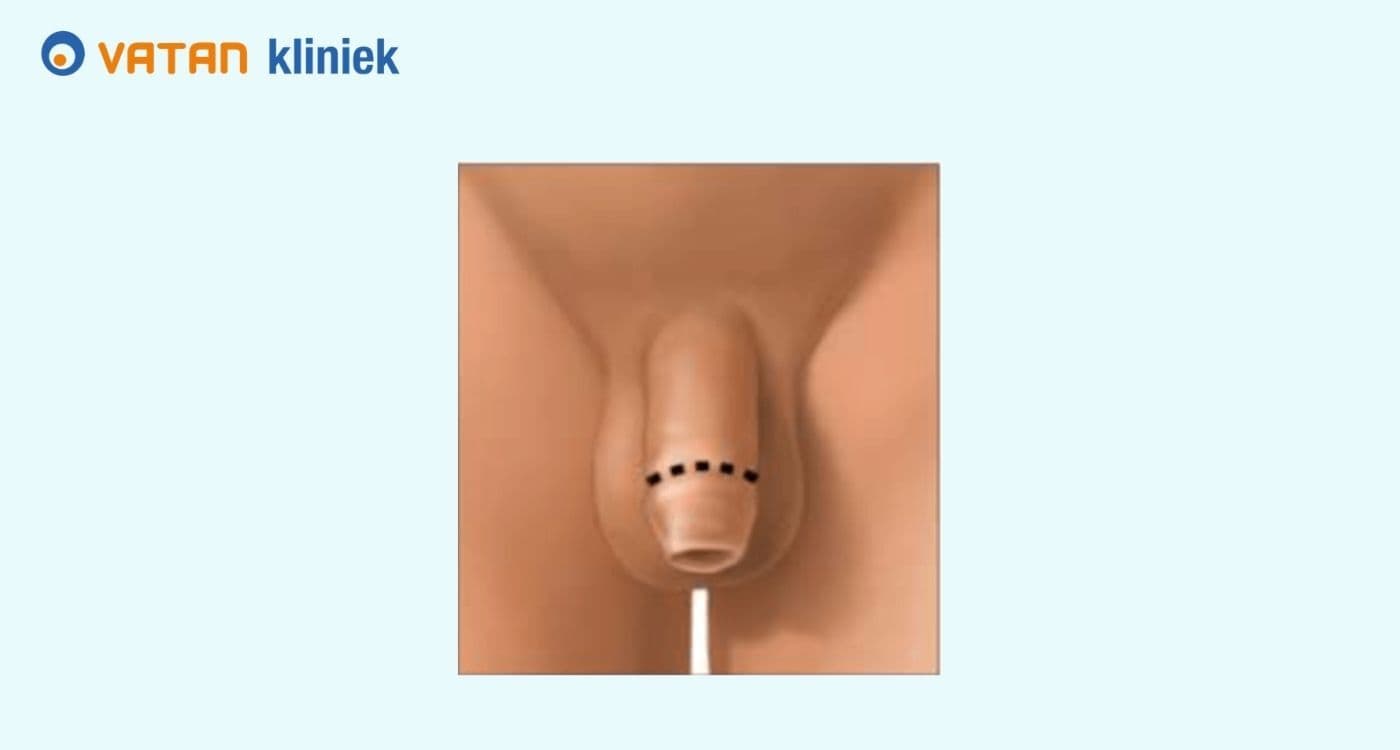
Foreskin narrowing, also known as phimosis, is a common condition in which the foreskin of the penis cannot be pulled back over the glans properly. This can cause complaints such as pain, irritation or difficulty urinating. In this article we explain what phimosis is, what the causes can be, which complaints it produces and which treatment options are available, so you know when it is sensible to take action.
What is foreskin narrowing (phimosis)?
Foreskin narrowing, known medically as phimosis, occurs when the foreskin cannot be pulled back over the glans properly. It is common in young children, but it can also persist or develop later in life. Below we explain what it is exactly and how it differs from other foreskin conditions.
Definition and medical explanation
Phimosis is a narrowing of the foreskin, which means it cannot be retracted over the glans at all or only partly. In young boys this is often a normal stage of development, but if it persists later in life or causes complaints, it is regarded as a medical problem. The condition can be present from birth or develop as a result of scarring or repeated inflammation. In severe cases it can lead to pain, irritation or hygiene problems.
The difference between phimosis and other foreskin conditions
Phimosis is regularly confused with other conditions such as paraphimosis, in which the foreskin gets stuck behind the glans and can no longer be moved forward. Inflammation such as balanitis (inflammation of the glans) or posthitis (inflammation of the foreskin) can cause similar complaints, but has a different cause and treatment. Phimosis is specifically about the lasting narrowing of the foreskin, not about temporary swelling or infection. An accurate diagnosis is therefore important for an effective approach.
Causes of phimosis
We have just explained what phimosis is. But what causes it?
Phimosis can be present from birth or develop over the course of a lifetime. In young boys a tight foreskin is normal and usually resolves by itself over the years. In adults, phimosis often develops through recurring inflammation, scar tissue or skin conditions such as lichen sclerosus. Poor hygiene or pulling the foreskin back too forcefully can also contribute to a narrowing.
Complaints and symptoms
The most common complaint with phimosis is not being able to pull the foreskin back over the glans properly. This can be accompanied by pain during erections, itching, redness or a burning sensation. In some cases urinating is difficult or painful, and inflammation can develop. During sexual activity, phimosis can also cause discomfort or small tears in the skin.
When is treatment necessary?
In young children phimosis is often harmless and resolves by itself as they grow. Treatment is only needed once complaints develop, such as pain, inflammation or problems urinating. In adults, treatment is also considered when the narrowing interferes with daily life. Medical advice is important in deciding whether waiting, treatment with ointment or a procedure such as a circumcision is appropriate.
Treatment options for phimosis
Treatment depends on the severity of the complaints. In mild cases a corticosteroid ointment can help to make the skin more supple. If this does not have enough effect, a surgical procedure may be needed, such as a circumcision or partial removal of the foreskin. The choice of treatment is always made in consultation with a doctor.
Life after treatment
After treatment for phimosis, and certainly after a circumcision, many men notice an improvement in their day to day comfort. Complaints such as pain, irritation or difficulty urinating often disappear completely. It is important, though, to allow for a short recovery period and a phase of getting used to the new sensation.
Recovery period and result
Recovery time after treatment depends on the method chosen. With a course of ointment or exercise therapy, recovery is gradual and involves no surgery. After a surgical procedure such as a circumcision, healing usually takes one to two weeks. Swelling, tenderness and mild pain are normal during that period. When recovery goes well the complaints disappear and the result is often permanent.
Changes in sensation, hygiene and comfort
After treatment many men experience improved hygiene because the glans is easier to keep clean. Sensitivity can temporarily increase or decrease slightly, depending on how exposed the glans is after a procedure. In general, the greater freedom of movement and the absence of pain or irritation provide more comfort.
Conclusion
Foreskin narrowing (phimosis) is a common condition that can cause unpleasant complaints, but fortunately it responds well to treatment. Whether the complaints are mild or more seriously limiting, there are various treatment options available. If you are in doubt or your complaints persist, it is wise to seek medical advice so that you and your doctor can choose the approach that suits your situation best.