Removing the foreskin in men can be done for various reasons. Today we look more closely at when, and above all why, the foreskin is removed in certain cases.
What does removing the foreskin involve?
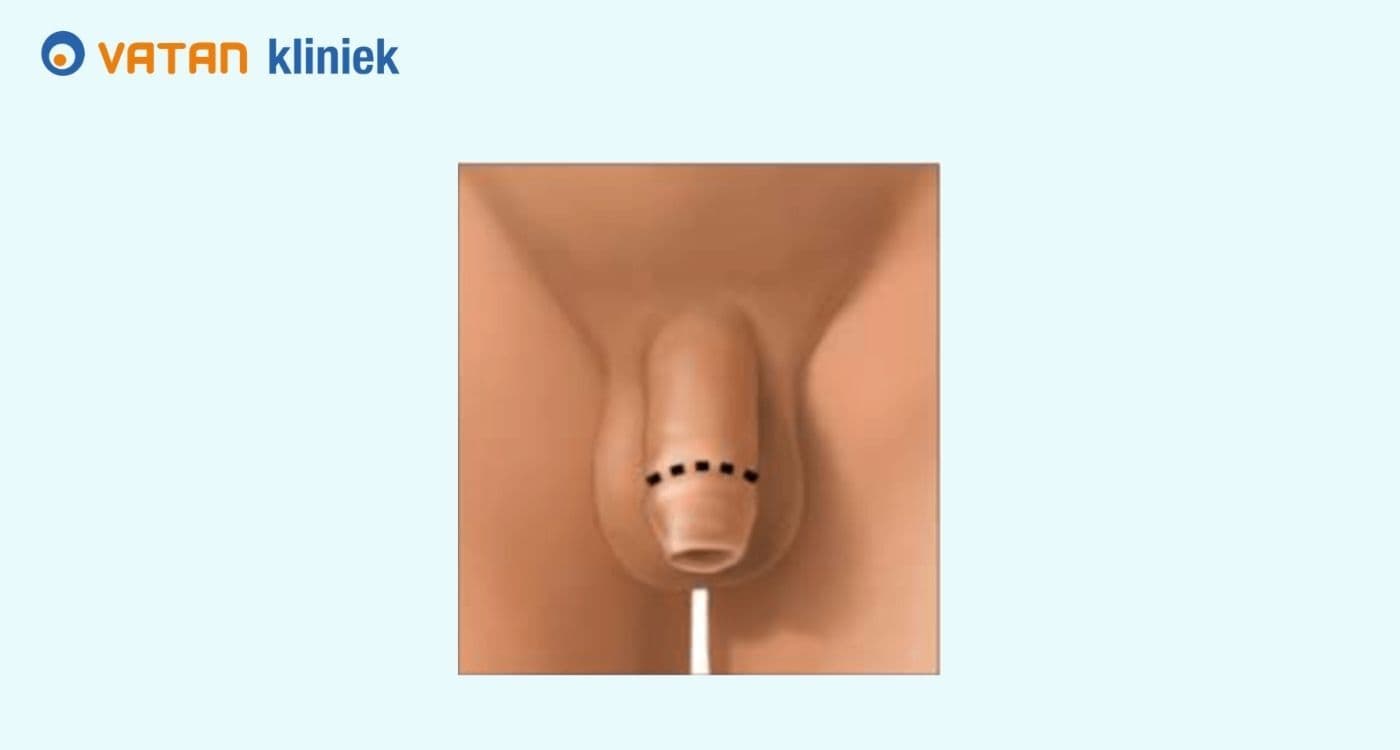
The glans of the penis is normally covered by the foreskin. Removing the foreskin, a circumcision, is a procedure in which part or all of the foreskin of the penis is removed. This procedure means the glans remains permanently visible and is no longer covered by the foreskin. There are both medical and non-medical reasons for having this procedure carried out. We explain them further below.
Medical reasons for removing the foreskin
Sometimes removing the foreskin is medically necessary, for example when complaints develop that affect daily life. In such cases a circumcision is advised to resolve those complaints. The most common medical reasons are phimosis, recurring inflammation or infection, hygiene problems and pain.
Phimosis (a foreskin that is too tight)
Phimosis is a condition in which the foreskin is too tight and cannot be pulled back over the glans, or only partly. This can cause pain during an erection, difficulty urinating or problems during sexual contact. In some cases the foreskin even becomes inflamed or tears.
Recurring inflammation or infection
Some men regularly suffer from inflammation of the foreskin or glans, such as balanitis or posthitis. This inflammation can be painful and keep coming back despite good hygiene or medication. A build-up of bacteria or fungi under the foreskin often plays a role. By removing the foreskin the area becomes easier to reach and stays cleaner, which reduces the chance of new infections considerably.
Hygiene problems or pain
If the foreskin is difficult to clean, or smegma and bacteria build up there quickly, this can cause unpleasant smells, irritation or itching. In such cases a circumcision can offer a solution and bring more ease, hygiene and comfort in daily life.
Non-medical reasons for removing the foreskin
Besides medical reasons for a circumcision there are also non-medical ones. Non-medical circumcisions are currently the most common kind. Some important reasons are religious and cultural motives, aesthetic or personal preferences and sexual comfort.
Religious and cultural motives
In many religions and cultures circumcision is a custom that has been passed down for centuries. In Judaism and Islam it is often a religious obligation that symbolises purity, devotion or tradition. In other cultures it is seen as a rite of passage into adulthood. Although the procedure is not necessary in many cases, for many people it is an important part of their identity and faith.
Aesthetic or personal preference
Some men deliberately choose a circumcision because they find the appearance of an uncovered glans more attractive or better groomed. Personal preferences can also play a part, such as a sense of control over one's own body or the idea that it looks more hygienic.
Sexual comfort or a partner's wish
Some men consider circumcision because they or their partner find that sexual contact becomes more pleasant or comfortable without a foreskin. In some men the foreskin causes friction, discomfort or sensitivity problems during sex. It may also be that a partner feels more comfortable with a circumcised penis.
Possible advantages and points to consider
There are a few points to bear in mind when removing the foreskin, because there is a noticeable difference before and after a circumcision. You can take these points into account when deciding whether to have the procedure.
Advantages in terms of hygiene and comfort
Without a foreskin the glans is easier to keep clean and irritation develops less quickly. As a result many men experience more freshness and comfort in daily life.
Changes in sensitivity or sexual experience
The glans can become somewhat less sensitive after the procedure because it is constantly exposed. Some find this more pleasant, others notice a decrease in intensity.
Risks, recovery time and scars
The chance of complications is small, but as with any procedure there are risks. Recovery takes an average of one to two weeks. Scars are usually minimal.
When is it sensible to have the foreskin removed?
Having the foreskin removed is sensible when you suffer from complaints that affect your daily life, such as a foreskin that is too tight, recurring inflammation or pain during erections or sexual contact. It can also be a solution when treatments such as ointments or exercises do not offer a lasting result. In addition, some men deliberately choose it for personal or religious reasons. Always seek good advice from a certified doctor.
Conclusion
Removing the foreskin is a personal decision made for a wide range of reasons: medical, cultural or out of personal preference. Whether you are dealing with physical complaints or considering a circumcision for hygienic, aesthetic or sexual reasons, it is important to be well informed about the possible advantages, changes and risks. An open conversation with a doctor at Vatan Kliniek helps you decide whether a circumcision is the right choice in your situation.